Exhibitors Press Releases


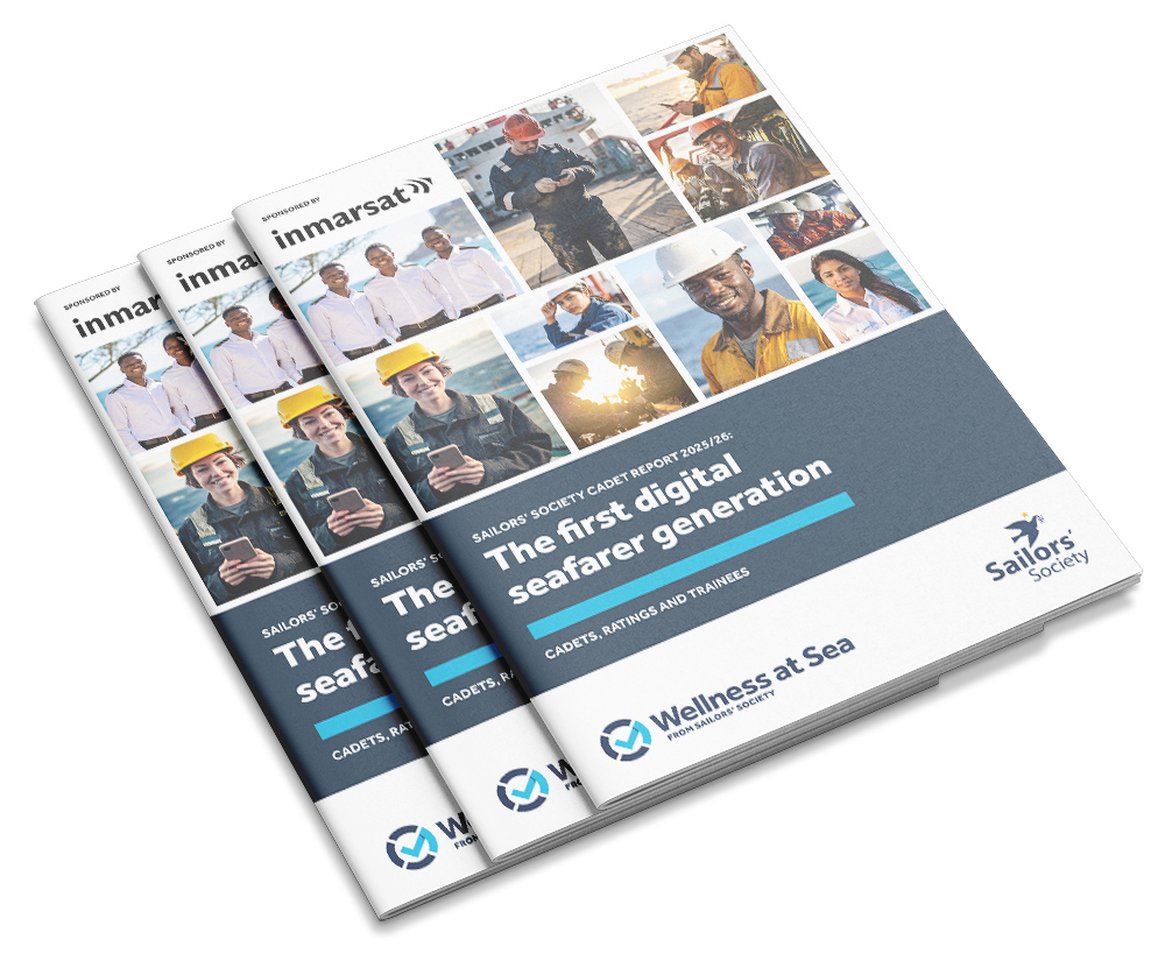
Revealing both the positives and negatives of increased connectivity at sea and the growing reliance on peer support by the next generation of maritime, Sailors’ Society has published its latest Cadet Report – ‘the first digital seafarer generation.’
Sponsored by Inmarsat Maritime (a Viasat company), the report captures the voices of cadets, ratings and trainees from 30 countries.
Drawing on insights gathered from more than 9,000 Gen Z seafarers who attended the maritime charity’s global 2025 Wellness at Sea Conferences, this unique data offers the maritime industry an unparalleled look into the experiences, pressures and aspirations of its future workforce.
The report provides comprehensive insight into three key themes shaping maritime’s newest recruits – digital life and social pressure, mental health and trauma at sea, and confidence in safety and reporting systems.
Sailors’ Society CEO, Sara Baade, said the findings show that the maritime workforce is entering a new era.
“This report clearly shows that the next generation of seafarers is not simply joining the industry – they are reshaping it.
“Today’s cadets are digitally connected, emotionally aware and deeply committed to meaningful careers at sea. But they are also navigating pressures that previous generations never faced, from online comparison and social media expectations to new mental health challenges.”
The report reveals that around 70 per cent of the next generation of seafarers spend more than three hours online every day, and this brings with it increased concerns.
Some 83 per cent of the cadets, ratings and trainees polled from China and 78 per cent of those from South East Asia reported feeling pressure to appear happy or successful online. While more than half of UK, European and South East Asian respondents said they had experienced or witnessed cyberbullying or negative behaviour online.
The report emphasises the importance of human connection in supporting wellbeing at sea. While technology allows seafarers to stay in close contact with family and friends, this generation increasingly relies on peers for wellbeing support, with peer groups emerging as one of the most trusted sources of help.
The data also points to a growing awareness of mental health among young seafarers but reveals uneven confidence in coping with challenges such as isolation, stress and trauma at sea.
The report aims to help shipping companies, training institutions and maritime leaders better understand the realities faced by young seafarers and take meaningful action to support them.
“Onboard internet is integrated into almost every aspect of modern seafaring – from navigation, monitoring and reporting to training, collaboration and crew welfare to day-to-day social engagements and communications,” said Gert-Jan Panken, General Manager and Vice President, Inmarsat Maritime.
“Cadets joining this increasingly automated and data-driven industry expect and require high-quality internet access to perform their duties effectively, whilst being a key contributor to crew happiness and supporting mental health. By providing them with home-like connectivity, we lay the foundation for safer operations, stronger human connections and, ultimately, a happier and more successful life at sea.”
Sara added: “The opportunity for the maritime industry is clear. We must go beyond simply providing connectivity and policies. We must build cultures of care, equip young seafarers with practical skills for resilience, and ensure they feel safe, supported and empowered throughout their careers.”
The full Sailors’ Society 2025/6 Cadet Report is available to download HERE